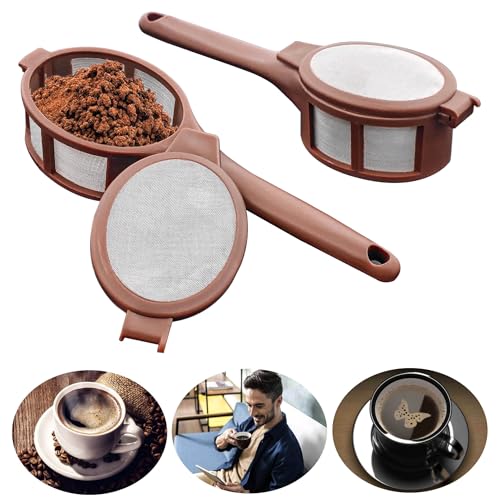
mastering the art of coffee blending for beginners at home
For coffee enthusiasts, the allure of creating a personalised cup of coffee is irresistible. Blending coffee allows you to explore diverse flavours, aromas, and strengths, tailoring each brew to your taste. In 2026, with a plethora of beans available, mastering the art of coffee blending at home can transform your coffee experience from mundane to extraordinary.
Understanding Coffee Beans
To start blending, it is crucial to understand the types of coffee beans. The two main varieties are Arabica and Robusta. Arabica offers a wide range of flavours, often described as sweet and fruity, while Robusta is known for its strong, earthy notes and higher caffeine content. Experimenting with different blends of these beans can create a balanced cup that suits your palate.
Selecting Your Beans
When selecting beans, consider the origin, roast level, and flavour profile. Beans from different regions possess unique characteristics. For example, Ethiopian coffees are often floral and fruity, whereas Colombian varieties tend to be nutty and caramel-like. Start by choosing one bean as your base and one or two additional beans to complement it. Aim for balance; if your base is fruity, consider a nutty bean to add depth.
People Also Look For:
- Generic Electric Milk Frother Professional Foam Maker for Coffee and Smoothies Cordless ABS 1 Unit (Apricot)
- Vibsky High Speed Electric Mixing Cup 7000 RPM Glass Blender for Coffee Tea Powder USB-C Rechargeable Wood Grain Finish
- AHAQU 350ml/600ml Milk Frothing Pitcher, Stainless Steel Espresso Jug with Art Pen, Milk Frother Jug for Coffee Machine, Metal Bar...
- Zassenhaus Brasilia Dark Coffee Mill/Grinder, Beech
- DITOSH 12 Cup Stovetop Espresso Maker Stainless Steel Moka Pot Espresso Maker Percolator Italian Coffee Maker Capable Mocha Coffee...
The Ratio Game
The ratio of beans is essential in creating the perfect blend. A common starting point is a 50-30-20 ratio, where 50% is your base bean, 30% is a complementary bean, and 20% is a contrasting bean. However, feel free to adjust these ratios based on your flavour preferences. Keep notes of your combinations to recreate successful blends.
Roasting Your Beans
If you are feeling adventurous, consider roasting your beans at home. This process allows you to control the development of flavours. Light roasting preserves the bean's unique origin characteristics, while dark roasting brings out bold flavours. Use a popcorn maker or a stovetop pan for small batches. Make sure to monitor the beans closely, as they can quickly go from perfectly roasted to burnt.
Grinding Techniques
The grind size can significantly impact the flavour of your coffee. For espresso, use a fine grind, while for French press, a coarse grind is ideal. Invest in a good quality burr grinder for consistency, which is key in achieving the best flavour extraction. Experiment with different grind sizes for your blends to discover how they affect the overall taste.
Brewing Methods
Your choice of brewing method can enhance or diminish the qualities of your blend. Pour-over methods such as V60 or Chemex allow for a clean cup, highlighting the bean's characteristics. Espresso machines create a rich, concentrated brew, ideal for showcasing bold flavours. Cold brewing, on the other hand, extracts different notes, often resulting in a smoother, less acidic cup. Try brewing your blend using different methods to identify your favourite.
Tasting and Adjusting
Once you have brewed your blend, it is time to taste. Take a moment to evaluate the aroma, flavour, acidity, and aftertaste. Make notes on what you love and what you would adjust in future batches. Tasting is an essential part of the blending process. Don’t be afraid to experiment with adjustments until you find your perfect cup.
Storing Your Blends
Proper storage of your blended coffee is crucial for maintaining freshness. Use an airtight container and store it in a cool, dark place. Avoid placing coffee in the fridge or freezer, as moisture and odours can affect the flavour. Ground coffee should be used within a week for optimal flavour, while whole beans can last several weeks if stored correctly.