Five Common Coffee Mistakes to Avoid in 2026
As coffee culture continues to evolve in 2026, enthusiasts and casual drinkers alike are seeking the perfect cup. However, many still fall into common pitfalls that detract from their coffee experience. Understanding these mistakes is crucial for anyone looking to elevate their brewing skills and enjoy a superior cup of coffee. This article explores five prevalent mistakes and offers expert advice on how to avoid them, ensuring that your coffee journey remains enjoyable and fulfilling.
Using Incorrect Coffee Grind Size
One of the most significant mistakes coffee drinkers make is using the wrong grind size for their brewing method. In 2026, many coffee brewers still overlook this critical aspect, leading to under-extraction or over-extraction of flavors. For instance, a fine grind is essential for espresso, while a coarse grind is optimal for French press.
When the grind size is not suited to the brewing method, the result can be a bitter or overly acidic cup. If you opt for a pour-over method, a medium grind is recommended, allowing water to flow through the coffee grounds at the correct pace. Experimenting with grind size can lead to a much better flavor profile, enhancing your coffee experience significantly.
Real World Example
Consider a home barista who enjoys making espresso but consistently uses a coarse grind meant for French press. The resulting espresso is weak and lacks the rich flavors that a finely ground coffee should deliver. By adjusting the grind size, the barista discovers a deeper, more complex flavor that truly showcases the coffee's origin.
Neglecting Water Quality
In 2026, the importance of water quality in coffee brewing cannot be overstated. Many enthusiasts underestimate how water affects the final flavor of their coffee. Tap water may contain minerals and chemicals that alter the taste, leading to subpar results. To achieve the best flavor extraction, it is advisable to use filtered or bottled water that is free from impurities.
People Also Look For:
- SHARDOR Coffee Grinder Electric,75g Removable Cup Coffee Bean Grinder
- Silreck® Handheld Milk Frother – Electric Foam Maker with Stainless Steel Whisk, Battery Operated Coffee Mixer Wand for ...
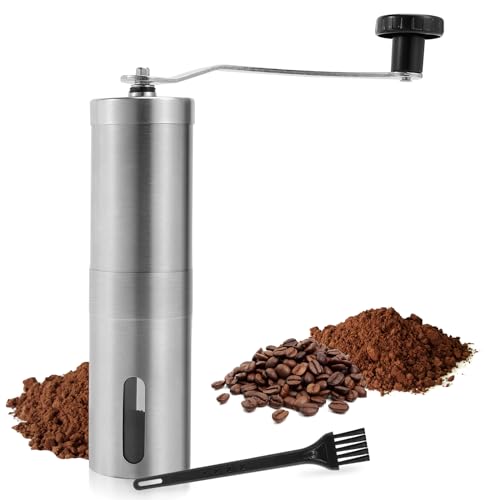
- Didiseaon Hand Crank Coffee Grinder Manual Stainless Steel Portable for Coffee-Grinder Use at Home Travel
- Salter Rechargeable Coffee Grinder – 30g Bean & 35g Powder Capacity, One Touch Operation, Easy Clean, Compact & Portable, C...
- GEEPAS Espresso Coffee Machine with Milk Frother, 20 Bar Pressure | 1.8L Detachable Water Tank, Stainless Steel Housing | 1465W, G...
Additionally, the temperature of the water is crucial. Using water that is too hot can scorch the coffee, while water that is too cool will fail to extract the full range of flavors. The ideal brewing temperature is between 195 and 205 degrees Fahrenheit. Investing in a quality kettle with temperature control can make a significant difference in the final cup.
Factors to Consider
- Use filtered water for better taste
- Avoid boiling water to prevent scalding
- Experiment with water temperature for optimal extraction
Overlooking Brewing Time
Brewing time is another critical factor that can make or break your coffee experience in 2026. Many coffee drinkers underestimate how long their coffee should brew. Each brewing method has a recommended time frame that ensures optimal extraction. For example, espresso requires about 25 to 30 seconds, while a French press should steep for four minutes.
If the brewing time is too short, the coffee will be weak and watery. Conversely, if it is too long, the coffee can become overly bitter and astringent. Keeping a timer handy can help you measure brewing times accurately, leading to consistently great results.
Tips for Perfect Timing
- Use a timer to track brewing time
- Follow specific brewing guidelines for each method
- Taste test to find your personal preference
Ignoring Coffee Freshness
In 2026, the freshness of your coffee beans plays a pivotal role in the flavor profile. Many coffee drinkers buy pre-ground coffee or do not pay attention to the roast date. Freshly roasted beans will provide the most robust flavors and aromas, whereas older beans can taste stale and lack vibrancy.
For optimal enjoyment, it is advisable to purchase whole beans and grind them just before brewing. This practice preserves essential oils and aromas that contribute to the coffee's flavor. Additionally, storing coffee beans in an airtight container in a cool, dark place can help maintain their freshness.
Storage Recommendations
- Use an airtight container
- Keep coffee in a cool, dark location
- Avoid exposure to moisture and heat
Relying on Automatic Machines Exclusively
While automatic coffee machines offer convenience, relying solely on them can limit your coffee experience in 2026. These machines often lack the ability to fine-tune variables such as grind size, brewing time, and water temperature. As a result, you may miss out on the rich flavors and aromas that come from manual brewing methods.
Exploring manual techniques like pour-over or French press can provide a more hands-on and rewarding experience. Not only does this allow for customization, but it also enhances your understanding of the coffee-making process. By experimenting with different methods, you can discover new flavors and preferences that machines may not replicate.
Benefits of Manual Brewing
- Greater control over brewing variables
- Opportunity to experiment with different techniques
- Enhanced appreciation for the coffee-making process
In 2026, embracing a hands-on approach to coffee brewing can lead to a deeper connection with your coffee. Whether you are a seasoned enthusiast or a casual drinker, avoiding these common mistakes will enhance your brewing skills and elevate your overall coffee experience.
As you navigate the vibrant world of coffee in 2026, remember that small adjustments can lead to significant improvements. From selecting the right grind size to experimenting with different brewing methods, each decision plays a crucial role in your final cup.